












Concentrated among 1,000 people in the remote Daliwe valley, siPhuthi has gained a dictionary, a Bible translation and official recognition thanks to intrepid linguists and activists
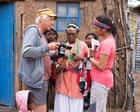
Tsotleho Mohale was addressing a group of people gathered on a mountainside still damp from an intense rainstorm that morning. The peaks on the other side of the steep valley were draped in cloud. Mohale was speaking in siPhuthi, a language spoken by just a few thousand people in parts of southern Lesotho and the north of South Africa’s Eastern Cape province, about the plants he used and the ailments he cured as a traditional healer.
The questions came from Sheena Shah, a British linguist, and were translated into siPhuthi by Mohale’s grandson Atlehang. Shah’s German colleague Matthias Brenzinger was filming the exchange. The two academics have been travelling regularly to Daliwe, a remote valley in Lesotho about 15 miles from the nearest paved road, since 2016, working with local interpreters and activists to document siPhuthi.
A view of homes in Daliwe valley in southern Lesotho