












The follow-up to Djinn Patrol on the Purple Line explores the history of colonial exploration through a perilous 19th-century odyssey
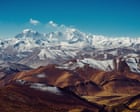
With her peripatetic and philosophical second novel, Deepa Anappara travels into uncharted territory. Her dazzling 2020 debut, Djinn Patrol on the Purple Line, was part caper and part social satire, set in an Indian shantytown. In The Last of Earth, she points her writerly compass towards the mountains of mid-19th-century Tibet – a region then closed off to European imperialists – to meditate on the chequered history of colonial exploration, cartography and the impermanence of human existence.
“It’s in the nature of white men to believe they own the world, that no door should be shut to them.” For years, the British train, coax and bribe Indians to cross over, conducting surveying expeditions on their behalf; they also venture into the “Forbidden Kingdom of Tibet” in thinly veiled disguises. Intricately researched and meticulously plotted, this immersive novel is told through the alternating perspectives of two protagonists. Balram is an Indian schoolteacher and surveyor-spy who plays guide to an English captain, clumsily dressed as a monk and intent on being the first man to personally chart the route of the revered river Tsangpo and discover where it meets the sea. Meanwhile Katherine, of part Indian heritage, is on a mission to become the first European woman to reach Lhasa and set eyes on the Potala Palace after being denied membership of the all-male Royal Geographical Society in London.
The Last of Earth by Deepa Anappara is published by Oneworld (£14.99). To support the Guardian, order your copy at guardianbookshop.com. Delivery charges may apply.